
Practical Course Machine Learning and Intelligent Systems
- Type: Praktikum (P)
- Chair: KIT Department of Informatics
- Semester: WS 26/27
- Lecturer:
- SWS: 4
- Lv-No.: 2424281
- Information: On-Site
1 Description
This course offers the opportunity to work on research-related topics in the areas of
- Extended Reality
- Robotics
- State estimation, and
- Measurement and control systems.
The specific tasks in each semester are based on current research work at ISAS. The tasks are worked on by small groups of up to three students, by designing, implementing, and testing suitable hardware and/or software components. Each group is supported by a designated supervisor regularly giving personal feedback and advice. In addition, access to the necessary hardware and equipment at ISAS is provided. This includes, among other things:
- GPU-server
- Telepresence lab with HTC Vive, Microsoft Hololens and room-sized haptic interface (HapticGiant)
- 3D printers
- Mechanical and electronic workshops
The main goal of the course is the implementation of theoretical methods in real-world applications. An initial familiarization and brainstorming phase is followed by an extensive practical phase in which, in addition to the implementation work, project and time management skills are trained. In parallel, results are documented in the form of presentations and a final report.
This course is worth 8 ECTS. Students may optionally earn an additional seminar certificate in conjunction with this practical course. Information on this can be found in the description of “Seminar for Practical Course: Machine Learning and Intelligent Systems”.
1.1 Example Topics
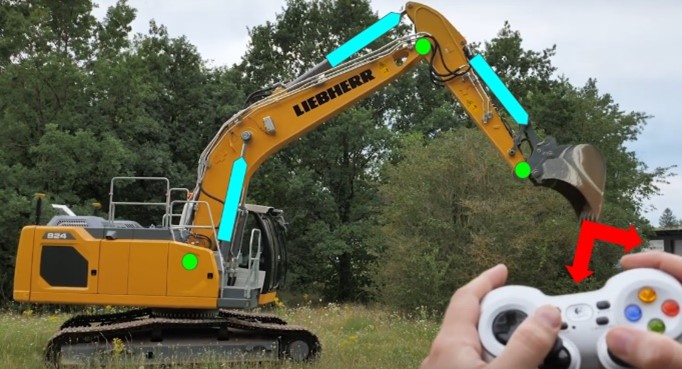
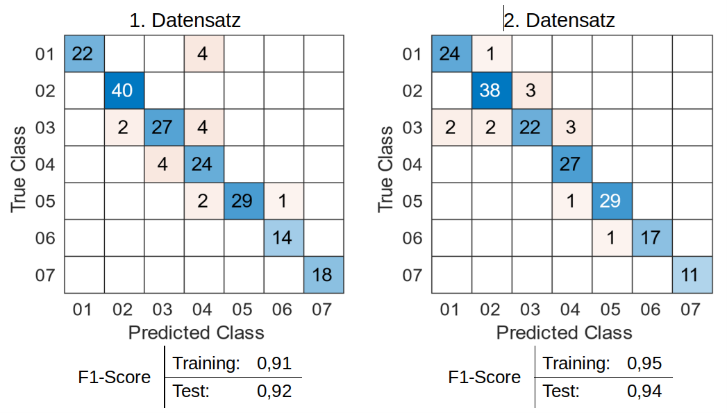
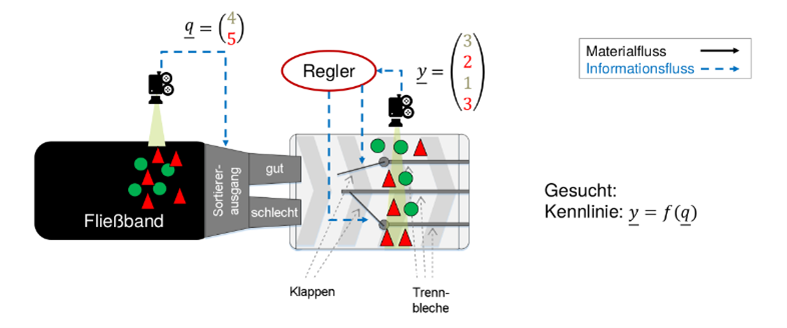
The topics offered in a semester will be published as the registration opens. These are some examples from past semesters:
|
 |
|
 |
|
 |
1.2 Related Specializations
This course is suitable for the following specialization subjects:
- Theoretical Foundations
- Robotics and Automation
- Anthropomatics and Cognitive Systems
2 Requirements
In addition to having a strong interest in at least one of the projects offered, we require the following:
- Enrollment in a master’s program in Computer Science, Wirtschaftsinformatik, or Mechatronics (Other degree programs are not automatically excluded but may require special approval from the respective examination office.)
- A strong ability to work both in a team and independently
- Excellent German or English language skills
- Preferably programming experience in a high-level language (Python, Julia, C++ or similar)
3 Dates and Locations
The dates listed below are mandatory sessions and will take place in person. Individual meetings with your supervisor will also take place in person, unless otherwise agreed with them.
| Date | Room | |
|---|---|---|
| Introduction | Friday, 30.10.2026, 14:00 | Geb. 50.20, R.148 |
| Project presentations | Friday, 13.11.2026, 14:00 | Geb. 50.20, R.148 |
| Midterm presentations | Friday, 18.12.2026, 14:00 | Geb. 50.20, R.148 |
| Final presentations | Friday, 19.02.2027, 14:00 | Geb. 50.20, R.148 |
4 Projects
The projects available this semester are described in detail here.
5 Registration
Registration opens on September 28, 2026, via the Wiwi-Portal. Once you have successfully registered, we will try to send you an acceptance or rejection notice as soon as possible.
If you are accepted, you must confirm your acceptance within three days. Otherwise, your spot may be assigned to someone else. Once you have confirmed your acceptance, participation in the course is mandatory. Failure to attend the mandatory sessions will result in failing the course.